(As recorded by Dr. Ian Stevenson in Twenty Cases Suggestive of Reincarnation – Portuguese translation.)
What if someone, on their deathbed, promised they would come back to you – in another body, as your child?
What would you say? Would you believe them?
Maria Januaria de Oliveira, affectionately known as Sinhá, made a promise to her closest friend, Ida Lorenz: she would return after death – as Ida’s daughter.
Sinhá’s voice was barely a whisper when she made that promise.
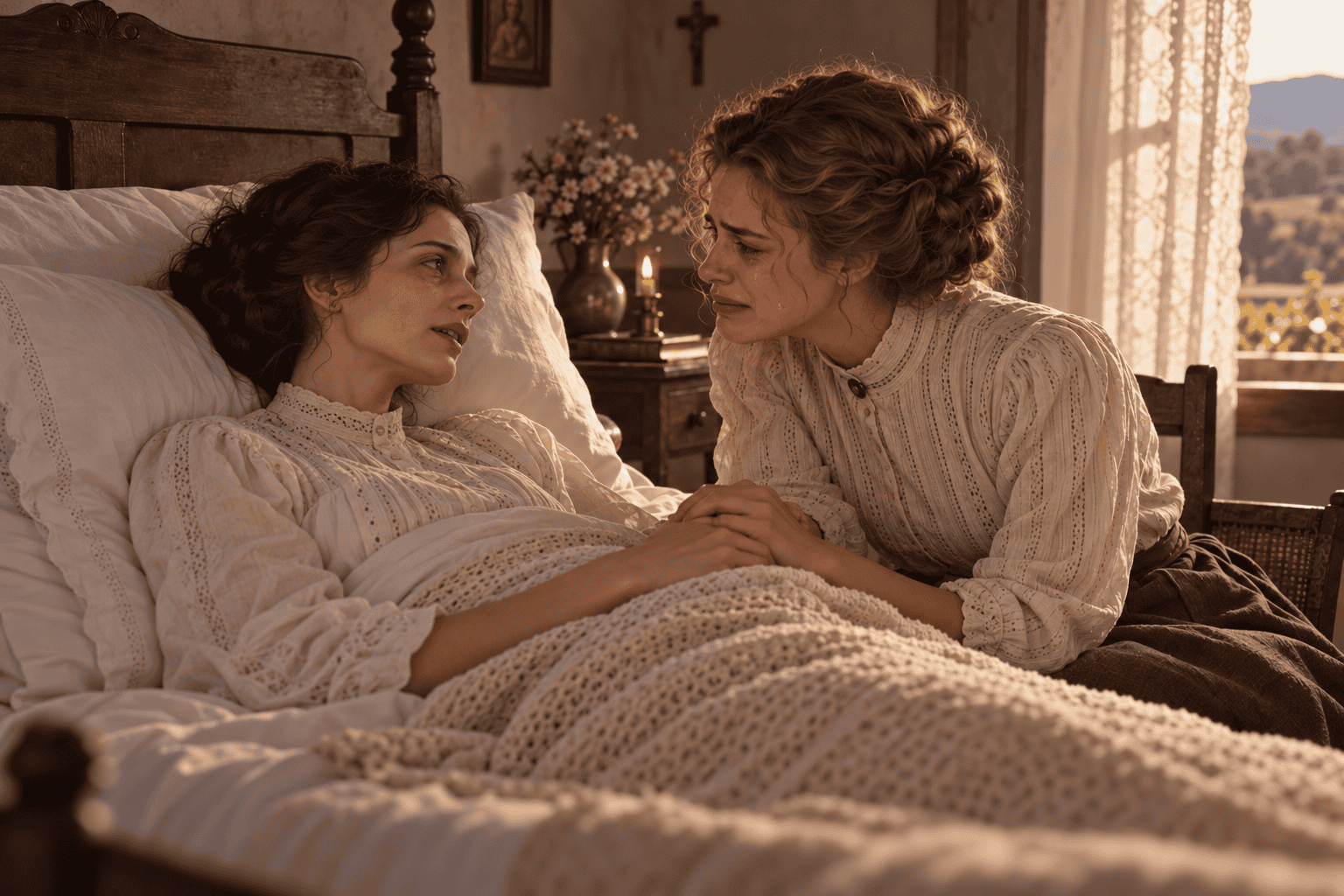
Her illness affected her lungs and throat. In her final days, her voice was weak and hoarse.
Sinhá promised something more: once she could speak, she would describe her former life so Ida would recognise her and know that she had returned.
The life she was leaving

Sinhá had grown up on her father’s large property near Dom Feliciano in Brazil.
She enjoyed country life and dancing, but the isolation of the property sometimes left her lonely. She often visited Dom Feliciano, where her dear friend Ida lived.
Their friendship also brought Ida to the farm. Sinhá was said to anticipate these visits, preparing coffee and setting out a phonograph to welcome her friend with music. Dr. Ian Stevenson’s book records that Sinhá was credited with a psychic ability to know when Ida was coming to visit.
But Sinhá’s comfortable home had become a place of bitter disappointment.
Twice she had fallen in love. Twice her father had refused to let her marry. One of the men reportedly died by suicide after their relationship was forbidden.
After the second heartbreak, Sinhá sank into despair.
Her father arranged a trip to Pelotas during carnival season, hoping to distract her from her disappointment. She showed little interest in the festivities. She neglected herself, venturing into cold, wet weather without adequate clothing.
Later came the severe illness in her throat and lungs, diagnosed as tuberculosis.
Now, at about twenty-eight, she was dying.
She confided in Ida that she had wanted to die and had deliberately neglected herself. Then she spoke of coming back.
Sinhá died the following day, in October 1917.
Ten months later
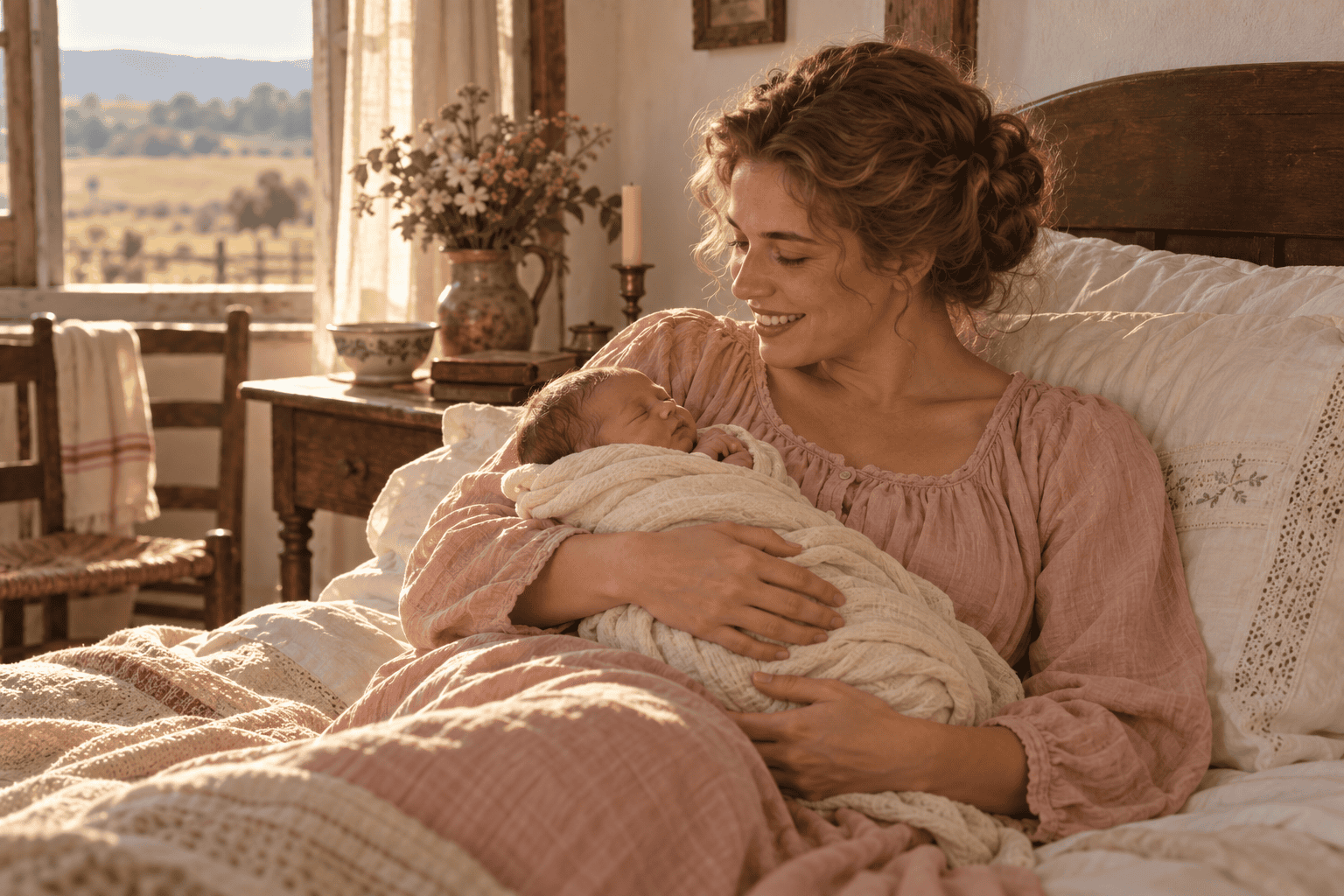
On 14 August 1918, Ida gave birth to a baby girl. She named her Marta.
Ida and her husband kept Sinhá’s promise to themselves. They chose to wait and see whether their daughter would say anything on her own.
“Hello, papa”
The first strange encounter came before Marta was a year old.
Two men visited the Lorenz home together. One was Sinhá’s father.
The other visitor was friendlier, but Marta’s attention went straight to Sinhá’s father. He had little patience for children and offered her scant encouragement. It made no difference.
The little girl embraced him and stroked his beard.
Then, according to the family’s account, she greeted him: “Hello, papa.”
She was less than a year old. The man she had addressed as her father was Sinhá’s father.
Still, Ida and her husband kept their secret a little longer.
The walk from the stream

At about two and a half, Marta was walking home with her older sister Lola after they had been washing clothes at a nearby stream. She asked Lola to carry her.
Lola refused. Marta could walk perfectly well.
“When I was grown up and you were little, I used to carry you often,” Marta said.
“When were you grown up?” Lola asked, laughing.
“Back then, I didn’t live here. I lived far away, where there were lots of cows, oxen and oranges, and animals that looked like goats but weren’t goats.”
When they reached home, Lola told their father what Marta had said.
“My little girl, I never lived in the place you’re describing,” he said.
“Yes, but back then I had other parents,” Marta replied.
Another sister asked about the household Marta remembered. Marta described a boy who had been beaten by her former father after failing to fetch water. The boy had called to her for help, addressing her as Sinhazinha. She said she had intervened and that the water came from a well, not a stream.
“Who was this Sinhá or Sinhazinha?” her father asked.
“That was me. But back then I had another name. My name was Maria, and I had another name too, which I can’t remember now.”
For Ida, that name belonged to a woman she had loved very dearly – a friend who seemed to have kept her promise.
Early memories of another life
As Marta began speaking more fluently, she insisted that she was Sinhá reborn. The youngest child in the family was claiming to be her mother’s old friend.
After Marta’s first statements, Ida told at least some of the other children about Sinhá’s promise to help explain their little sister’s behaviour.
Marta’s father was a schoolteacher, accustomed to paying attention to details. He began carefully recording her statements and the people she recognised.
In 1946, he published an account of her experiences. Years later, it became one of the sources Dr. Ian Stevenson used when investigating Marta’s case.
The memories continued
Marta spoke about a white horse and the matching saddles Sinhá and Ida had bought. She remembered coffee and music prepared for her friend’s visits.
Marta wanted to visit the home she remembered, but years passed before she went.
The mystery behind the clock
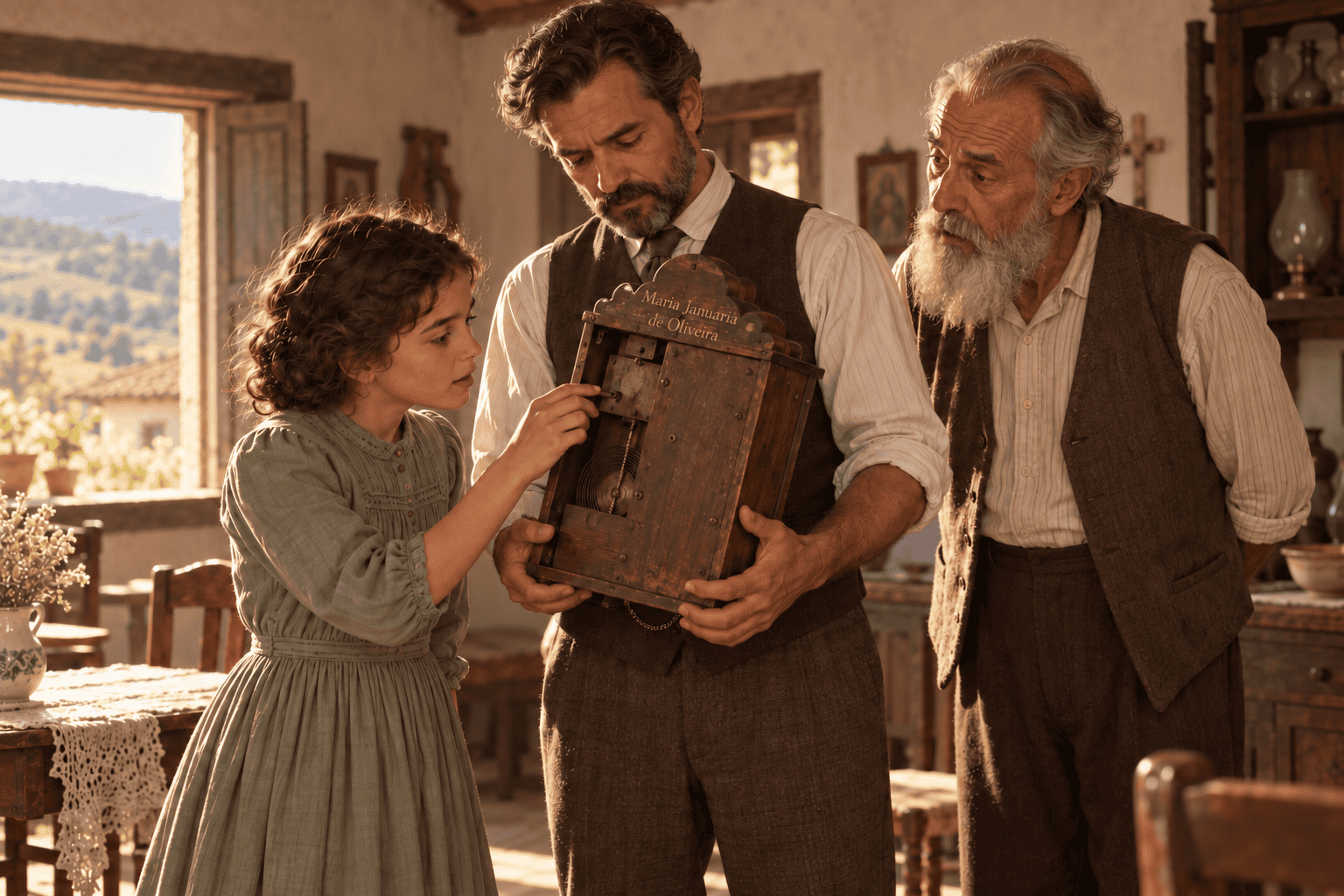
At twelve, Marta was finally able to visit Sinhá’s family home with her father.
Before they arrived, she described the approach to the property, including a turn around a large stone near the house.
Inside, she pointed to a clock on the wall. She said it had belonged to Sinhá and that her name would be inscribed on its back in gold letters.
Sinhá’s father hesitated to take it down, apparently concerned that Marta would want to keep it.
When the clock was taken down and turned over, an inscription bearing Sinhá’s name was found on the back.
Marta had identified more than a familiar object. She had described something hidden from view.
Marta’s own life
Marta grew up, married, and had children.
She gradually spoke less about Sinhá’s life as she grew older. When Stevenson interviewed her as an adult, she still recalled many details and described a sense of continuity between herself and Sinhá.
Ian Stevenson interviewed Marta in 1962 and again in 1972, including her case in Twenty Cases Suggestive of Reincarnation.
Its explanation remains unresolved. But the question that began beside Sinhá’s bed still lingers.
Could the friend Ida had lost have become the daughter she held?
Curious about your own past life connections?
If Marta’s story has sparked your curiosity, discover how I approach exploring past lives, relationships and the patterns we carry.
Source: Ian Stevenson, Twenty Cases Suggestive of Reincarnation, the Marta Lorenz case and follow-up, consulted in Portuguese translation.
All pics are AI-generated fictional illustrations.